


Category: Roof Repairs
Flat Commercial Roof Repair and TPO Retrofits for Businesses in Washington State
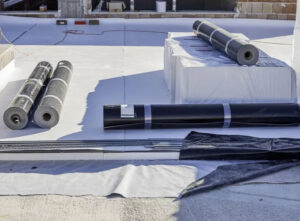
Flat roofs across Washington take a beating from long rain seasons, salt air along the Sound, and quick freeze‑thaw snaps. If your building has ponding water, seam splits, or heat loss through an aging built‑up roof, it is time to look at commercial roof repair and a TPO retrofit. Our region’s wet climate magnifies small issues. The right plan stops leaks, improves drainage, and can lower energy use for years to come. For urgent problems or scheduled upgrades, our commercial roofing team is ready to help.
Why Flat Roofs In Western Washington Struggle
From Seattle and Bellevue to Everett and Kent, storms can drop inches of rain in hours. On older BUR systems, saturated felts and alligatoring make water sit longer than it should. Nighttime temperatures then dip, water freezes and expands, and tiny cracks open at laps, flashing, and around HVAC curbs. Over time, those cracks let water track laterally under the surface.
Where water has no direct path to drains or scuppers, it lingers in shallow bowls. That moisture time stresses seams on single‑ply membranes and wets insulation. Left alone, it can stain ceilings, corrode fasteners, and loosen mechanical units.
Local insight: On most low‑slope roofs, water should clear within about two days after typical rain. If you see a mirror‑like pond sticking around after 48 hours, have a pro document it and correct the slope before seams and flashings are stressed by our next freeze‑thaw snap.
How Commercial Roof Repair In Washington State Prevents Costly Damage
A targeted repair plan starts with a moisture scan and a detail‑by‑detail walk of the roof. Crews focus on the weak points: laps, drains, scuppers, pipe boots, parapet caps, and the metal at HVAC curbs where vibration and foot traffic are common. A small fix made in a dry weather window can save thousands in interior repairs later.
- Clear and test drains so water has a fast exit path.
- Add crickets or tapered panels to push water toward drains and away from walls.
- Tune up edge metals and curb flashings where wind‑driven rain and movement cause gaps.
In Western Washington, freeze‑thaw stress is subtle but real. Even a few degrees’ swing can pop open a cold weld or brittle mastic. That is why proactive repair paired with better drainage is the backbone of long roof life in our area.
TPO Retrofits Over Aging BUR: Stronger, Cleaner, More Efficient
Many Washington buildings still carry layered BUR systems that are heavy and dark. Retrofitting with a white, single‑ply TPO membrane over new cover board and tapered insulation is a proven way to extend life without a full tear‑off in many cases. Here is why property owners choose it:
- Structural advantage: A recover with insulated cover board stiffens soft spots, spreads loads under HVAC curbs, and adds impact resistance for service traffic.
- Heat‑welded seams: TPO seams are hot‑air welded, creating a continuous bond that resists the wet, windy days we live with around Puget Sound.
- Reflectivity and energy: The bright surface reflects summer sun, helping reduce heat gain in warehouses and retail spaces. That can lower cooling demand and support broader energy goals.
- Drainage upgrades: Retrofits are the perfect time to add tapered crickets, new drains, and overflow scuppers so ponding zones disappear.
Owners also ask how a retrofit fits with Washington’s Clean Buildings Performance Standard. While every building’s path is different, improving roof reflectivity and insulation can be part of a common‑sense strategy to trim energy use and document upgrades. Speak with your energy consultant for specifics, then have Star Roofing and Construction, Inc. assemble roof materials and insulation options that align with your plan.
Design Details That Keep Water Out
Drains, Scuppers, and Tapered Insulation
Most leaks trace back to poor water movement. A thoughtful tapered design removes ponding at mid‑roof bowls and along parapet walls. New drains or enlarged scuppers reduce backup during our heaviest cells. Crews will check the sump area around each drain and weld TPO boots tightly so water cannot creep under the membrane.
HVAC Curbs, Stands, and Penetrations
Western Washington’s large rooftop units vibrate, and maintenance teams step across curbs all year. That motion can loosen fasteners or crack old mastics. A retrofit adds new metal and reinforced TPO flashing with welded corners around each curb. It also introduces walk pads to protect seams along service paths. Do not ignore tiny wrinkles or loose skirt metal at curbs; they are early signs water may be finding a path under the field sheet.
Parapets, Edges, and Walls
Wind‑driven rain hits parapets hard. Quality edge metal with a continuous cleat and a welded TPO skirt locks water out. Where walls meet the roof, self‑flashing TPO accessories and termination bars provide belt‑and‑suspenders protection.
Ponding Water: What It Means And How To Fix It
Ponding is a symptom, not the root cause. The underlying issue is slope, drain capacity, or both. During repairs or a TPO retrofit, crews will map pond patterns, adjust slope with tapered panels, and re‑establish positive drainage. In some older buildings around SoDo, Georgetown, and Ballard, deep bowls near interior columns benefit from added drains tied into existing lines. In shoreline neighborhoods, added debris guards help limit fir‑needle clogs that start the cycle all over again.
If your maintenance logs show repeat leaks after heavy storms, review your service cadence. A consistent plan reduces surprises. For a simple schedule built for our climate, bookmark the seattle roof maintenance calendar and coordinate visits before and after the big fall rains.
Real‑World Tips For Western Washington’s Freeze‑Thaw Pattern
Our winters do not hit deep subzero often, but overnight lows swing enough to stress seams on large surfaces. Water that hides under field sheets or at laps expands when it freezes. That expansion can open a small path wider, then meltwater runs in. Over weeks, moisture can track under cover board and saturate insulation.
Have a pro check seams and details after the first hard cold snap. Small heat‑weld touch‑ups, added walk pads, and sealant refreshes around metal transitions keep the system tight. Pair that with clean drains so the next thaw has a clear exit.
Energy And Comfort Gains You Can Feel
A white TPO surface reflects sunlight. In simple terms, the roof runs cooler, and interior spaces feel less stuffy on bright afternoons. That can matter for warehouses, gyms, and retail floors with high internal loads. Upgrading insulation during the retrofit improves winter comfort too. Many owners report steadier indoor temperatures and less strain on HVAC systems after a well‑designed retrofit. Those improvements also support broader efficiency goals you may be pursuing with your facilities team.
How Star Roofing and Construction, Inc. Plans A TPO Retrofit That Lasts
Every project starts with documentation. We record existing layers, test core cuts, and review drainage. Next, we map a tapered layout, select cover board, and specify membrane thickness for your traffic and exposure. Details matter most, so we build curb and edge mockups that match your site. We also plan work windows around summer and early fall dry stretches to reduce weather delays common in Western Washington.
If you are weighing whether to repair or replace sections, our team can phase work while keeping the building dry. When leaks demand fast action, see how our crews approach emergencies by reviewing our roof repairs in seattle page to understand the professional steps we take during storm season.
When A Full Replacement Makes Sense
Some roofs are past the point of a clean retrofit. If insulation is saturated across large areas or multiple layers exceed what is allowed for a recover, a replacement may be the smarter path. We will document those findings so you can make a confident decision for your portfolio. For many properties though, a TPO retrofit over sound decking stops leaks, improves drainage, and cuts heat gain without the disruption of a full tear‑off.
Simple Signs You Should Call A Pro
Walk your interior and exterior regularly. Look for these red flags and capture photos for your records. If you spot them, it is time to schedule a roof evaluation.
- Ceiling stains that spread after storms or cold snaps
- Ponding spots that stick around days after rain
- Wrinkles or loose metal around HVAC curbs and edges
- Vegetation or algae growth in low spots
When you are ready to act, you can request a targeted repair plan, or explore a retrofit that adds durability and efficiency. Many owners start with a quick consultation, then we align scope and schedule to the building’s hours to keep operations moving.
Next Steps For Washington Businesses
If you manage a storefront in Bellevue, a warehouse in Kent, or a clinic in Everett, we can design a plan tailored to your building type, hours, and maintenance rhythm. Start with a quick call to 425-290-7827. You can also learn how our commercial roofing services address drainage, seams, and energy performance during one coordinated project.
To understand our approach from the ground up, explore how our team handles commercial roof repair in washington state and what that means for your portfolio. If you prefer to plan ahead of storm season, save our maintenance guide and share it with your facilities staff so they know what to watch for each quarter.
Ready To Stop Leaks And Cut Energy Waste?
When a roof is dry, reflective, and well‑drained, everything inside the building runs smoother. That is the outcome we build toward on every project. If your flat roof needs attention, or you are comparing retrofit options for an older BUR, call 425-290-7827. A short conversation with Star Roofing and Construction, Inc. will help you choose the right path and schedule the work window that fits your calendar in Western Washington.