


Category: Gutter Installation
Gutter and Downspout Design for Heavy Rainfall on Seattle Homes
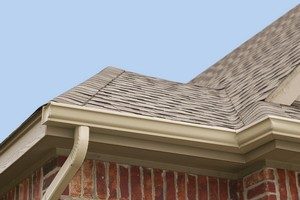
Seattle weather asks a lot of your gutters. Long, steady rain from October through spring can overwhelm small troughs and undersized outlets. This guide breaks down how to size gutters, place downspouts, and choose guards that perform during real Northwest storms. If you are planning a project now, start with a quick assessment and options on our page for gutter installation in seattle.
Why Gutters Matter In Seattle’s Rainy Season
Overflow does more than splash your porch. Frequent backups stain siding, soak fascia, and push water toward basements. On sloped lots in West Seattle and Queen Anne, runoff can travel fast and pool where you least expect it. A well-designed system keeps entryways dry in November and protects landscaping and walkways in March squalls.
Local insight: Many Seattle homes sit beneath firs and maples. Fine needles and spring seed pods act like tiny dams in gutters. Ask your estimator about larger outlets and guard styles that shed small debris so water keeps moving during long, soaking rains.
Right-Size Gutters For Seattle Rain
Most one- and two-story homes do well with 5-inch K-style gutters when roof planes are modest. Larger or steeper roofs, long eaves, or multiple valleys often need 6-inch capacity to prevent overshoot where water concentrates. The goal is simple: move a lot of water, fast, without clogs or splash-over.
- Choose 6-inch gutters where valleys converge or large roof planes feed one run.
- Pair big troughs with 3×4 downspouts at long runs or valley terminations.
- Keep hangers close and consistent so gutters do not sag under winter rain.
- Use baked-enamel aluminum or other corrosion-resistant materials that hold up in damp marine air.
Homes near Magnolia, Ballard, and Green Lake see constant needle drop. Wider troughs with clean, sealed miters and sturdy hangers reduce mid-run backups and keep guards seated flat.
Downspout Placement On Sloped Seattle Lots
Downspouts are your exit ramps. They should be spaced so water never needs to travel too far to find a path down. Place them at each end of long eaves and at natural collection points near valleys. On steep sites, route extensions to daylight where water cannot return toward foundations or walkways.
Many Seattle parcels have narrow side yards. In Wallingford or Beacon Hill, low-profile extensions or buried piping can move water without creating trip hazards near fences. Where sidewalks are close to the structure, discharge should be aimed at planting beds, splash blocks, or approved drains so it does not sheet across public paths.
Tip: Keep terminations visible where possible so you can spot issues quickly after a storm. A fast visual check saves fascia and paint when the rain stacks up for days.
Pitch, Outlets, And Hanger Spacing That Keep Water Moving
Pitch is the quiet hero of performance. A gentle, consistent slope keeps water flowing without making the gutter look crooked from the street. Long runs often benefit from a center high point and drops to both ends, which can reduce standing water during back-to-back storms.
- Use larger rectangular outlets to reduce choke points. Small round outlets tend to collect fir needles and roof grit.
- Tie outlets to 3×4 downspouts on long or high-volume runs so debris can pass.
- Fasten hangers with corrosion-resistant screws so hardware holds through wet winters.
If your current system leaves dirty “tiger stripes” on fascia or puddles near the foundation, those are red flags that pitch, outlet size, or spacing needs a pro review. For a deeper dive into sizes, materials, and guards, scan our guide to gutter sizes, materials, and guard options.
Debris, Ice, And Guard Choices For Puget Sound Homes
Seattle’s debris is unique. Fir needles are fine, oily, and persistent, and broadleaf trees dump heavy loads in fall. High-quality micro-mesh guards with a rigid metal frame perform well here because they shed small debris while staying flush with the roof pitch. Reverse-curve covers can work on big leaves, but they may trap needles at the slot if the pitch or placement is off.
We do not see Midwest-style ice loads, but cold snaps happen. Guards that sit at roof pitch help snow and light ice slide off instead of bridging over the trough. Where two steep planes meet, consider splash guards to keep fast-moving water in the gutter during atmospheric river events.
Protecting Fascia And Siding From Overflow
Water that sneaks behind the trough is quiet but costly. It softens fascia, stains paint, and can pull fasteners out over time. To prevent this, focus on three things: pitch that sends water to outlets, outlets sized to match rainfall and debris, and downspouts that carry water well away from the base of the wall.
Warning: Persistent overflow at an entry or deck is not a “Seattle problem” you must live with. It is usually a sizing, layout, or outlet issue that a pro can fix with the right design.
Local Considerations: Seattle Codes, Stormwater, And Best Practices
Stormwater rules exist to keep water off sidewalks and out of neighbors’ yards. Requirements can vary by lot slope, soil, and roof area. In many cases, you will steer water to splash blocks, drains, or landscaped areas designed to absorb it. When planning your project, ask about current city guidance and neighborhood standards. A licensed roofing contractor will recommend discharge points that respect property lines and common-sense drainage so your design is both effective and compliant.
Pairing New Gutters With Roof Replacement In Seattle
Gutters and roofs work as a team. If your shingles are near the end of their life, it often makes sense to synchronize timelines so hangers and flashing integrate cleanly with the new roof edge. During roof replacement in seattle, a contractor can reset drip edge, add kick-out flashing where walls meet eaves, and confirm that guard systems sit flush at the new shingle height. This bundled approach avoids duplicate labor and gives you a cleaner finish along the fascia.
Neighborhood Examples That Shape Design
Every block is different, but patterns repeat across the city:
In Ballard and Greenwood, tall evergreens mean constant fine debris. Larger outlets and 3×4 downspouts keep water moving when micro-mesh guards collect a carpet of needles during stormy weeks. In Magnolia and Capitol Hill, older homes with complex rooflines may need 6-inch gutters near valleys or where two roof planes feed one eave. On Queen Anne’s steeper slopes, plan discharge so water cannot run back toward foundations or across sidewalks.
Simple Design Checklist For Seattle Homes
Use this shortlist when you talk with your estimator. It keeps the conversation focused on performance, not just appearance.
- Roof planes and pitch measured for accurate sizing
- Valleys mapped to avoid entry “waterfalls”
- Outlets upgraded where debris collects
- 3×4 downspouts on long runs or high-flow areas
- Hanger spacing tightened for steady winter rain
- Micro-mesh guards matched to fir needles
- Downspout terminations directed away from foundations and walkways
When To Call A Pro In Seattle
Call when you see water overshooting at valleys, stains running down fascia, puddles hugging foundation edges, or a steady drip at porch corners. These signs point to undersized troughs, too-few downspouts, or outlets that are choking on debris. A professional visit includes measuring roof planes, checking pitch, inspecting outlets and hangers, and mapping discharge so you stay ahead of the next storm. You can learn more about the process and schedule a visit through our page on gutter installation in seattle.
Get Help From A Seattle Roofing Contractor You Can Trust
If you want to understand how this all fits your home, browse more tips or bookmark our gutter installation seattle resources on the Star Roofing and Construction, Inc. site. When you are ready to act, our team will measure, design, and install a system that fits your rooflines and neighborhood conditions without guesswork.