


Category: Roof Repairs
How to Spot and Fix Roof Leak Damage in Seattle Before Moss Takes Over Your Home
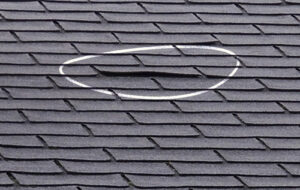 Seattle’s cool, damp weather lets moss thrive, especially on shaded, north-facing slopes. That moss holds moisture against your shingles and hides tiny leak paths that can soak your attic and walls before you notice. If you suspect moisture getting in, connect with our team for roof repairs in seattle so the problem is contained before the next storm rolls through Capitol Hill, Queen Anne, or Ballard.
Why Moss Makes Seattle Roof Leaks So Sneaky
Moss is like a sponge. It traps water and slowly lifts shingle edges. That lift breaks the seal and lets wind-driven rain creep under the tabs. On older homes in Queen Anne and Capitol Hill, complex rooflines and shaded trees keep surfaces wet longer, which speeds up this cycle.
As water wicks beneath the shingle edge, it follows nails, seams, and underlayment laps. The intrusion is often quiet, steady, and out of sight. By the time you notice a stain inside, the sheathing may have been wet for weeks. **Moss often hides tiny capillary leaks along shingle edges**, so a surface glance from the sidewalk can look fine while the deck is taking on moisture.
Seattle Roof Leak Repair Signs You Can Spot Before the Next Storm
Without climbing on the roof, you can look for early warnings from the ground or inside the house. If you see any of these, schedule an inspection right away:
- Ceiling stains with soft, fuzzy edges that grow after heavy rain, especially near exterior walls
- Musty odor in closets or finished attic spaces after a wet week
- Baseboards or window trim that swell or ripple on upper floors
- Gutter discharge full of black grit from shingle granules after a downpour
- Attic sheathing with darkened streaks below roof vents, plumbing stacks, or valleys
- Rusty roofing nails or faint daylight at roof penetrations seen from the attic
These clues point to moisture making its way under the shingles. Schedule repairs at the first sign of staining or odor so a small patch does not turn into structural work.
The Costly Mistake: High-Pressure Washing Destroys Shingle Protection
It is tempting to blast away moss with a pressure washer. Don’t. Never use high-pressure washing on asphalt shingles. The stream strips off protective granules, thins the asphalt coating, and can drive water up under the tabs. That shortens roof life and often creates new leaks where none existed.
Granules protect the asphalt from UV damage. Once removed, the shingle ages faster, becomes brittle, and loses its gasket-like seal to the course below. In Seattle’s frequent fall rains, that damage shows up quickly as new drips around ceilings or wall corners.
Local insight: Wet moss makes a roof slick like ice. Seattle mornings keep surfaces damp, even in summer. Stay off the roof and let trained pros handle removal and repairs with proper fall protection.
How Pros Remove Moss the Low-Impact Way in Seattle
At Star Roofing and Gutters, we focus on methods that protect shingle life while stopping growth. The goal is to break the moss lifecycle and clear the leak path without grinding off granules. Here is how a professional, low-impact approach works:
- Targeted, low-pressure application of a moss control solution that releases growth over time instead of tearing it off
- Gentle rinse where safe, with careful control around vents, skylights, and valleys
- Hand removal of loosened mats to avoid dislodging granules
- Cleanup of gutters and downspouts to remove washed-off debris and shingle grit
We also protect landscaping and siding, document any failed seals or cracked flashing we uncover, and map areas that need a localized patch right away. That way you get both a cleaner, healthier roof and a plan to stop active leaks the same visit.
Localized Leak Repair That Saves Your Roof
Most moss-related leaks start small. A careful patch can restore the water-shedding path and buy years of service life. Our repair process focuses on the damaged zone rather than the whole roof so you avoid premature replacement.
What a precision patch can include:
- Isolating the wet area and lifting only the affected shingle courses
- Replacing cracked or cupped shingles and any saturated underlayment
- Re-sealing starter strips and nail heads to restore the capillary break
- Re-flashing roof penetrations like plumbing vents or bath fans where seals have failed
- Confirming drainage so water exits to the shingle face and then to the gutter
By treating the source and the symptom together, we stop the leak and reduce the chance it returns in the next atmospheric river event. If you are comparing options, read how our technicians approach Seattle roof leak repair to extend the life of your roof without jumping straight to major construction.
Protecting Historic Homes in Capitol Hill and Queen Anne
Older homes in these neighborhoods often have steeper pitches, multiple valleys, and original details around dormers and chimneys. That means more edges where water can sneak in if moss lifts a shingle or a counterflashing loses its seal.
We pay special attention to north and east slopes that stay shaded by mature street trees. We also check where new asphalt shingles meet older cedar or where several layers meet at transitions. **Small fixes at these transitions prevent outsized interior damage** in plaster ceilings and lath walls common to pre-war homes.
Why Granule Loss Matters In Seattle’s Climate
Even without pressure washing, heavy moss traps moisture that frees granules faster. Granules are the armor on asphalt shingles. Lose enough and UV cooks the asphalt, which causes curling and cracks. In a city with long wet seasons and short drying windows, that decline speeds up.
During our inspections, we look in gutters and at downspout discharge for a sandy, black residue. That usually means granules are shedding. Left alone, this leads to brittle tabs and new openings around fasteners. Catch it early and a localized shingle and underlayment replacement often does the job.
When a Replacement Makes Sense and When It Does Not
Not every leak means you need a new roof. If the deck is sound and most shingles still have good granule coverage, strategic repairs are smart. We reserve full replacement for cases with widespread granule loss, active mold across the deck, or repeated leaks in multiple planes.
If we find that your roof is near the end of its service life, we will explain why and show clear photos from the inspection. When that day comes, our team can guide you through Seattle roof replacement choices that fit Seattle’s weather and the look of your home.
Plan Ahead With Preventive Care
Prevention gives you the best return. A seasonal check helps you stay ahead of moss regrowth and tiny seal failures. Pair a light cleaning schedule with a simple inspection and you avoid surprise leaks during our fall storms.
To stay proactive, consider a recurring roof maintenance in Seattle plan. Quick touch-ups after leaf drop and again in early spring help protect your shingles, flashings, and attic ventilation. That rhythm fits our climate and keeps issues small.
Work With a Local Roofer Who Knows Seattle Weather
When you need fast answers and a roof that sheds water the way it should, call 425-290-7827. We will inspect, document what we find, and recommend the lowest-impact fix that keeps your home dry. You can also start your research at seattle roof leak repair to learn how Star Roofing and Gutters protects homes across Seattle, WA with practical solutions that match our climate.
If a damp, mossy roof is already causing stains or musty smells, now is the time to act. Tap into our localized approach so you get targeted fixes instead of a premature tear-off. For fast help and leak-stopping results, schedule service through our page on roof repairs in Seattle today.